What’s the Tea Ceremony All About?
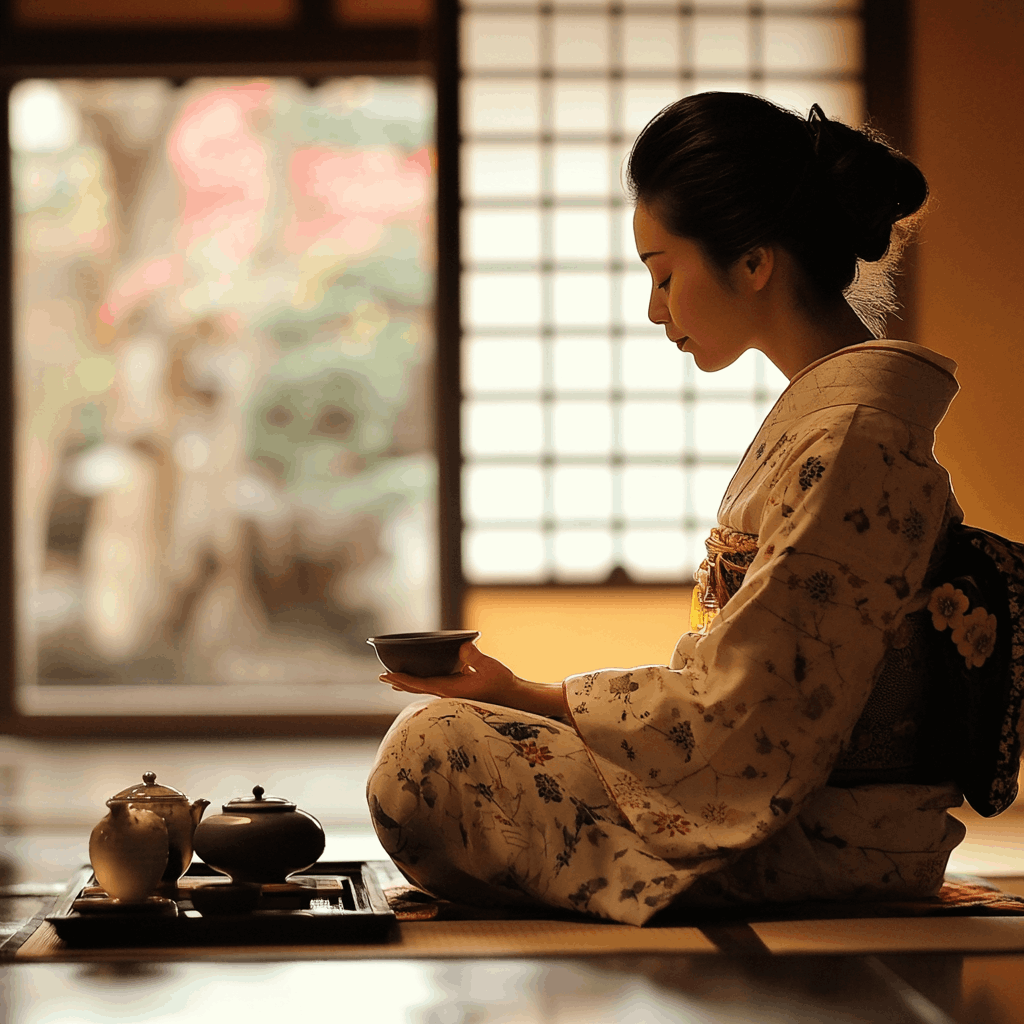
At its heart, the tea ceremony is about harmony—between people, nature, and the moment. Rooted in Zen Buddhism, it’s a ritual where a host prepares matcha (powdered green tea) for guests in a quiet, deliberate way. Every move, from whisking the tea to bowing, is intentional, creating a space where everyone feels present. It’s less about the tea itself and more about the shared experience, the kind that makes you forget your phone exists.
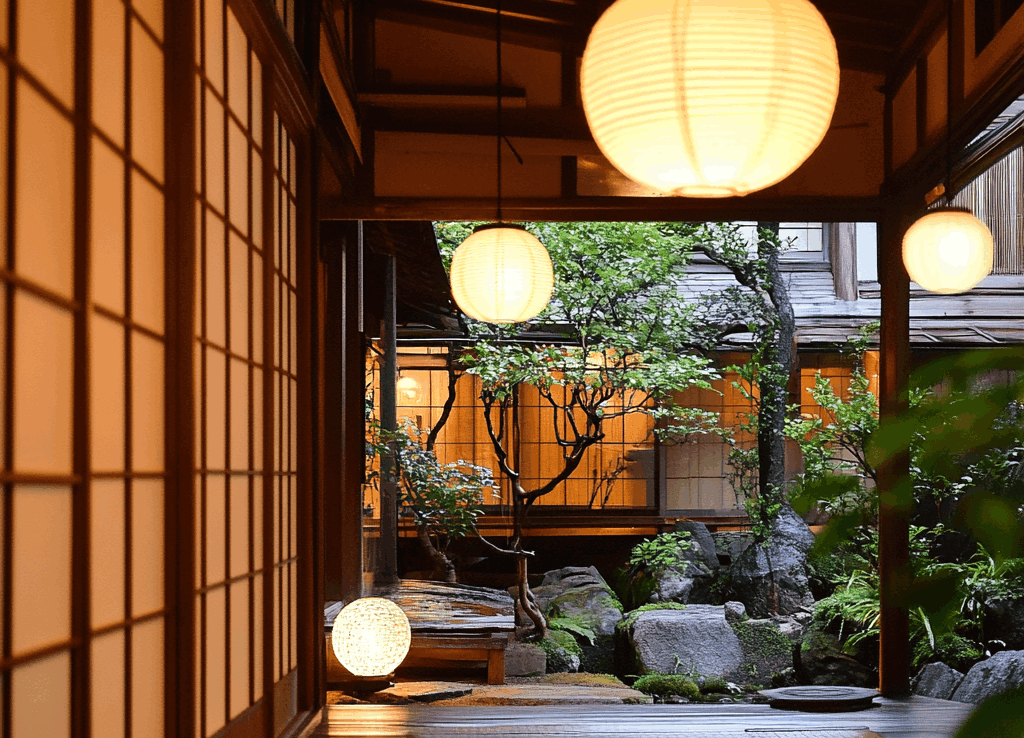
Daiichi Hotels partners with ryokans and tea houses in Kyoto, the spiritual home of chanoyu, to offer authentic ceremonies. Whether it’s a tatami-lined room overlooking a garden or a historic tea house tucked in Gion, these experiences let you feel the soul of Japan. Expect a setting that’s simple but profound—think sliding shoji screens, a single flower in a vase, and the soft hiss of boiling water.
The Rituals: A Step-by-Step Flow
The tea ceremony has a rhythm, and while it varies by school (like Urasenke or Omotesenke), the basics are similar. Here’s what you’ll see—and do—as a guest:
Entering the Space. You’ll duck through a low doorway (a nod to humility) into the tea room. Shoes off, of course—socks or bare feet only. At Daiichi’s Kyoto ryokans, the host might guide you to a spot on the tatami, where you sit seiza-style (knees folded under). Pro tip: if your legs scream, it’s okay to shift a bit, just do it quietly.
Cleansing the Tools. The host cleans the tea bowl, whisk, and scoop with precise, graceful movements. It’s not just hygiene—it’s a ritual to purify the space and focus the mind. You’ll notice the silence, maybe broken by the clink of bamboo or the kettle’s hum.
Making the Tea. The host scoops vibrant green matcha into a bowl, adds hot water, and whisks it into a frothy delight. The sound of the whisk—chaka-chaka—is almost meditative. You might get usucha (thin tea) or koicha (thick tea, more intense).
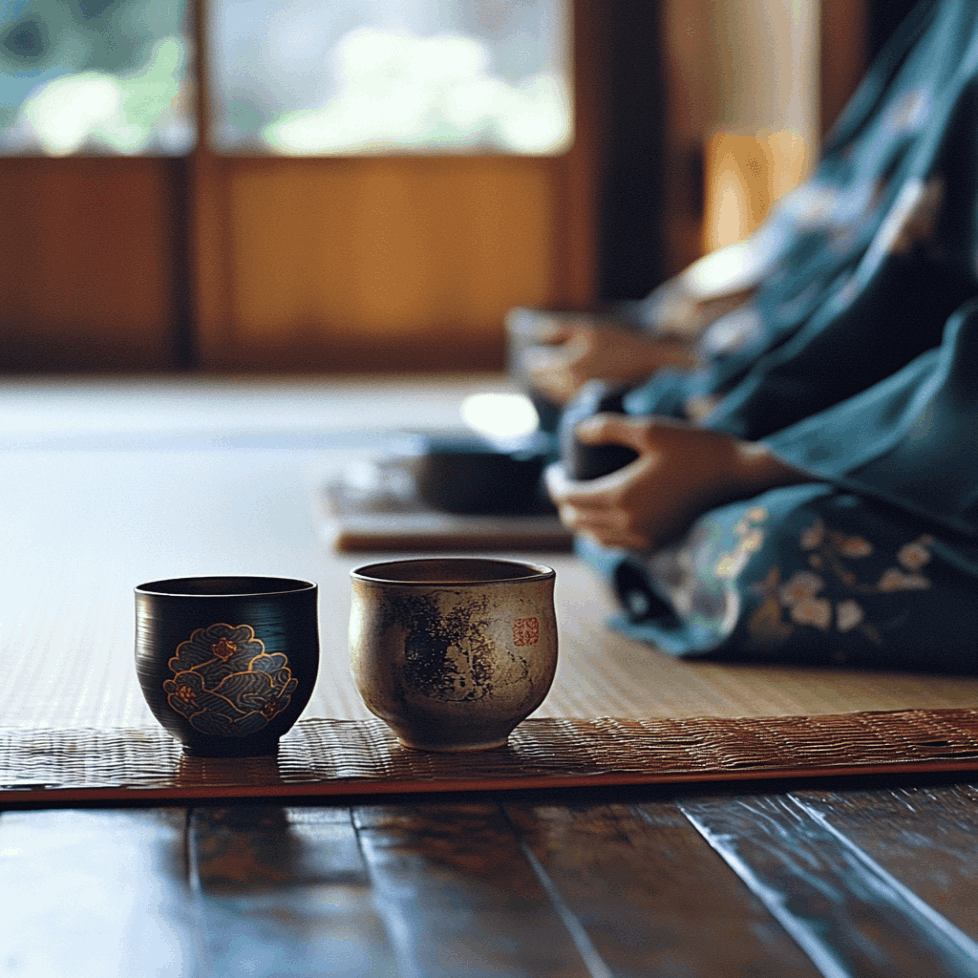
Receiving the Tea. When the bowl’s handed to you, bow lightly to say thanks. Turn the bowl clockwise twice (to avoid drinking from its “front”) and take small sips. The matcha’s bitter, earthy, and alive—savor it. When done, wipe the rim where you drank and pass it back with another bow.
Sounds formal, right? It is, but it’s also warm. The host’s there to make you feel welcome, not judged. Daiichi’s tea ceremonies often include a guide who explains each step, so you’re not left guessing.
Attire: Dressing the Part
You don’t need to go full kimono, but dressing thoughtfully shows respect. At Daiichi’s Kyoto ryokans, they often provide yukata or even arrange kimono rentals for the ceremony. If you’re wearing your own clothes, go for something modest and comfy—think loose pants and a simple top. Avoid flashy patterns or anything too tight, since you’ll be sitting on the floor. Women might want to skip short skirts for ease of sitting seiza-style.
wslhx-196466-081da5
One small quirk: bring clean socks. Tatami floors are sacred, and dirty socks are a big no-no. Oh, and leave dangling jewelry or noisy accessories at the ryokan—silence is part of the vibe. If you’re at a Daiichi property, their staff can help you pick the right attire or even teach you how to tie a yukata’s obi belt (trust me, it’s trickier than it looks).
Etiquette: How to Not Mess It Up
The tea ceremony’s got rules, but they’re less about perfection and more about respect. Here’s the quick guide for first-timers:
Be Quiet, Be Present. Keep chatter low and phones off. The ceremony’s a chance to unplug, so soak in the calm. If you gotta whisper, do it sparingly.
Bow Like You Mean It. A light bow when entering, receiving tea, or thanking the host goes a long way. It’s not groveling—it’s just polite.
Handle the Bowl Right. When you get the tea bowl, hold it gently with both hands. Don’t chug the tea or wave the bowl around. And don’t forget that clockwise turn before drinking—its a small gesture that shows you’re paying attention.
Appreciate the Sweets. Many ceremonies include a wagashi (traditional sweet) before the tea to balance the matcha’s bitterness. Eat it first, but don’t gobble it down. Take small bites and enjoy the texture—maybe a soft mochi or a sugary bean paste treat.
Ask Questions Later. If you’re curious about the tools or rituals, wait till the ceremony’s done. Daiichi’s hosts often stick around to chat about the experience, and they love sharing.
If you slip up, don’t sweat it. The spirit of chanoyu is about connection, not perfection. Just follow the host’s lead and you’ll be fine.
Daiichi Hotels: Your Tea Ceremony Gateway
Kyoto’s the place to experience chanoyu, and Daiichi Hotels makes it easy. Their ryokans in neighborhoods like Higashiyama or Arashiyama offer tea ceremonies led by seasoned hosts, often in historic tea rooms with garden views. Some packages include a private session, where you learn to whisk matcha yourself, while others pair the ceremony with a kaiseki meal or a stroll to nearby temples. Daiichi’s properties are chosen for their authenticity—think family-run inns with stories etched into their wooden beams.
For newbies, Daiichi’s ceremonies come with English-speaking guides who break down the rituals, so you’re not left fumbling. They might even throw in a cultural talk about Zen or the history of matcha, which started as a monk’s meditation aid centuries ago. And if you’re staying overnight, you can unwind in an onsen or tatami room after, making the whole day feel like a love letter to Japan.